
Dating with Herpes (HSV)
Learn how to manage transmission risks, use proven disclosure scripts, and build romantic connections with HSV.
How this guide helps you: This hub brings together disclosure scripts, transmission facts, and emotional readiness guides for dating with herpes (HSV). Start with the pinned core guides below, then explore specific relationship scenarios.
-
 Core Guide
When and How to Disclose Genital Herpes to a Date: Scripts, Risk, and Key Facts
Find the best timing for disclosure, choose text or in-person, and use ready-made scripts and key facts to handle questions and reactions.
-
 Core Guide
HSV-1 vs. HSV-2 in Dating: Types, Locations, and What They Mean for Your Love Life
Untangle virus type from infection location, and learn what HSV-1 and HSV-2 each mean for transmission, stigma, and your dating life.
-

Daily Antivirals for Genital HSV-2: How Much Can They Reduce Transmission?
See what the landmark 2004 trial showed about daily suppressive valacyclovir, how it fits into layered protection, and how to explain it to a partner.
-

Debunking Herpes Myths: Essential Facts to Educate Yourself and Your Date
Get the facts behind the top five herpes myths, understand the testing blind spot, and use a simple toolkit to share them with your date.
-

Herpes Asymptomatic Shedding: How Transmission Can Happen Without an Outbreak
Learn what asymptomatic shedding really means, how often it happens, how to reduce the risk, and how to explain it to a partner.
-
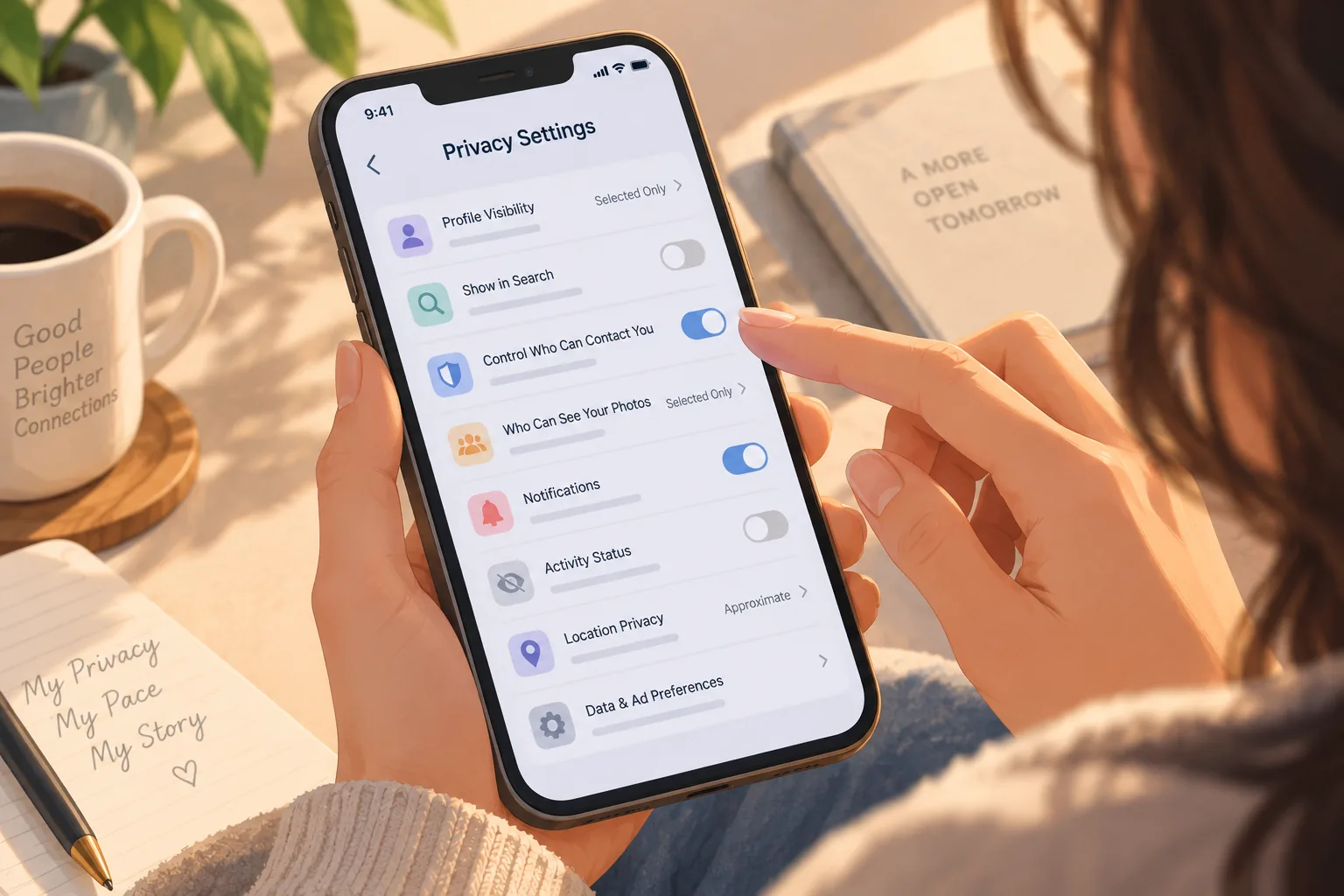
Herpes Dating Apps & Sites: What to Look For Before You Sign Up
Run a pre-signup privacy audit, spot scams and fake profiles, set up stealth mode, and decide how to mix niche and mainstream apps.
-

Herpes Discordant Couples: How to Build Safe and Fulfilling Intimacy When Only One Partner Has HSV
Learn how suppressive therapy, condoms, and outbreak timing work together, and how couples keep intimacy fulfilling when only one partner has HSV.
-

Recognizing Herpes Prodrome and Outbreaks: When to Pause and Resume Intimacy
Recognize the early signs of an outbreak, know when to pause and when it is reasonable to resume, and keep closeness during the pause.